Hong Kong, Indonesianews.co.id
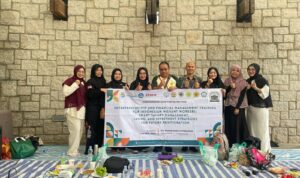
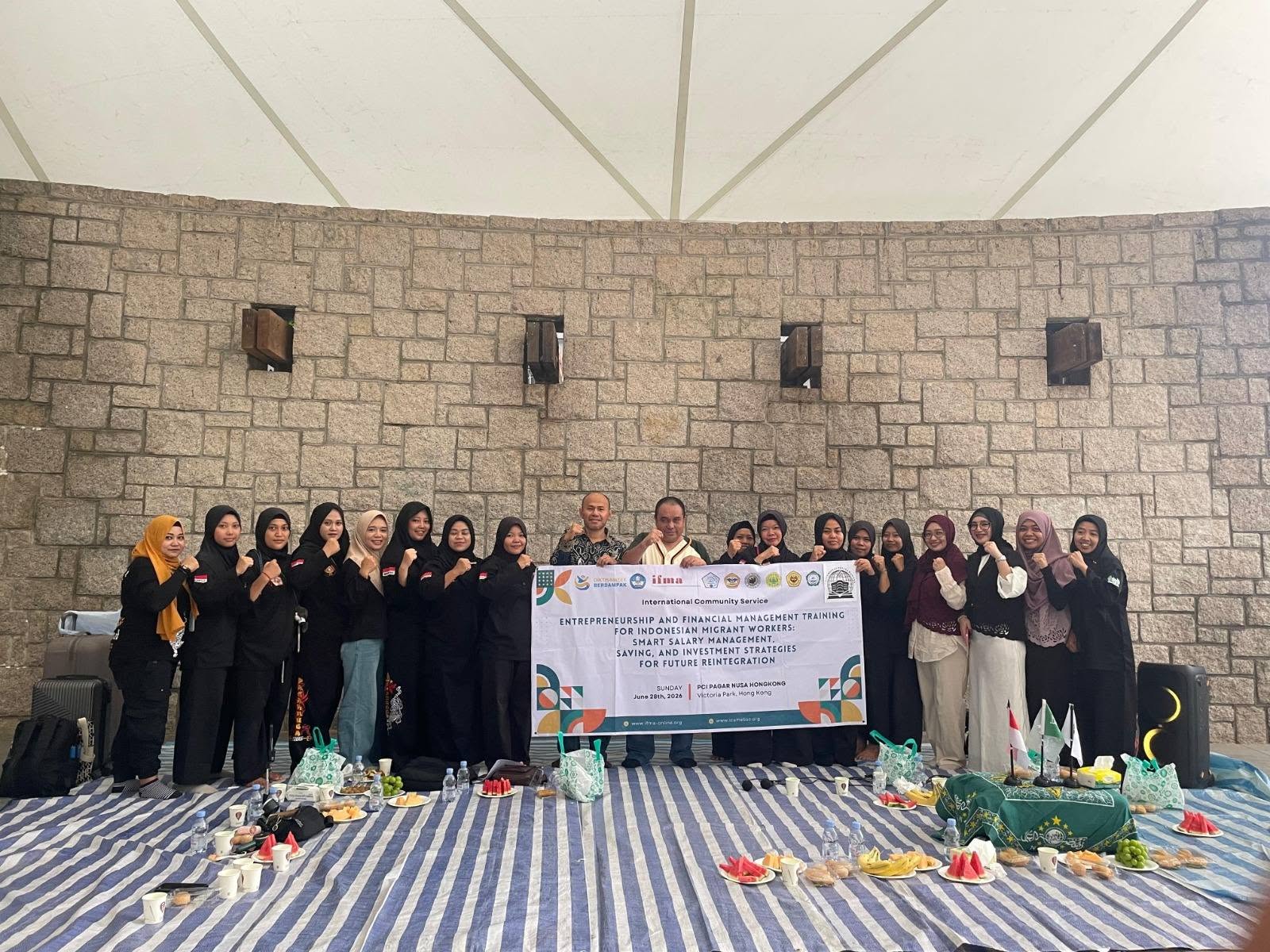
Demonstrating a strong commitment to extending the impact of higher education beyond national borders, the Indonesian Financial Management Association (IFMA), in collaboration with PCI Pagar Nusa Hong Kong, successfully organized an International Community Service Program entitled “Entrepreneurship and Financial Management Training for Indonesian Migrant Workers: Smart Salary Management, Saving, and Investment Strategies for Future Reintegration.”
The initiative brought together academics from Universitas Graha Nusantara, Universitas Dehasen Bengkulu, Universitas Riau Kepulauan, Universitas Pakuan, Universitas Cenderawasih, Universitas Khairun, and Universitas Pelita Bangsa, demonstrating a shared commitment to implementing the university’s community engagement mission through international collaboration.
Held at Victoria Park, Hong Kong, the program attracted dozens of Indonesian migrant workers from different regions across Hong Kong. The event was designed to enhance participants’ entrepreneurial capabilities, financial literacy, investment awareness, and long-term financial planning, equipping them with the knowledge and confidence needed to achieve sustainable economic independence after returning to Indonesia.
The program was officially inaugurated by Prof. Dr. Suherman, M.Si., Founder of the Indonesian Financial Management Association (IFMA). In his opening remarks, Prof. Suherman emphasized that universities have responsibilities extending beyond teaching and research. Higher education institutions, he noted, should actively contribute to improving the welfare of Indonesian communities, including citizens living and working abroad.
He described Indonesian migrant workers as one of the country’s most valuable contributors to national economic development. Their dedication and hard work have significantly supported Indonesia’s economy through remittances. Therefore, strengthening entrepreneurial competencies and financial literacy is essential to ensure that years of employment overseas become the foundation for sustainable businesses and long-term family prosperity upon returning home.
Representatives of PCI Pagar Nusa Hong Kong welcomed the initiative and expressed their appreciation for the collaboration with IFMA and Indonesian universities. They reaffirmed the organization’s commitment to building partnerships with universities, professional associations, and various institutions that contribute to the empowerment of Indonesian migrant workers.
According to PCI Pagar Nusa Hong Kong, many Indonesian migrant workers have spent more than a decade, and in some cases several decades, working in Hong Kong. While many have successfully accumulated savings, they continue to require practical guidance on entrepreneurship, investment planning, wealth management, and financial preparation for life after returning to Indonesia.
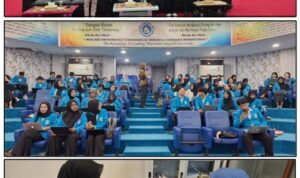
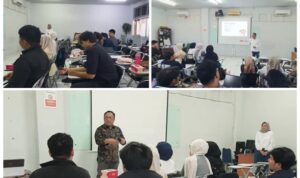
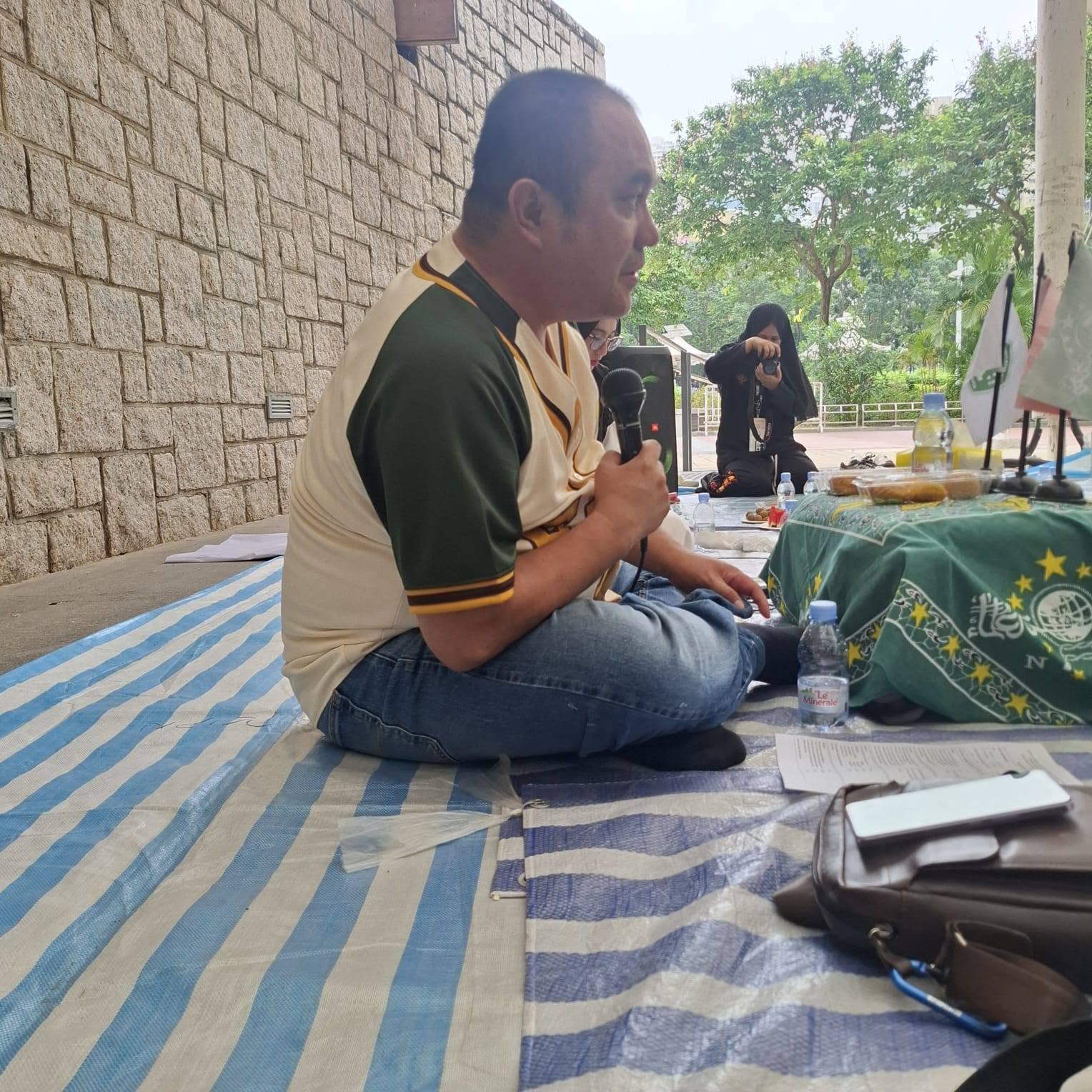 The keynote session was delivered by Prof. Agung Dharmawan Buchdadi, S.T., M.M., Ph.D., who began the program with an interactive assessment of participants’ financial literacy. The assessment aimed to identify participants’ understanding of key financial concepts that directly influence their daily financial decision-making.
The findings revealed encouraging results. Most participants demonstrated a strong understanding of foreign exchange rates, reflecting their routine experience in monitoring currency fluctuations when transferring income to their families in Indonesia. Exchange rate movements have become one of the most important financial considerations for Indonesian migrant workers due to their direct impact on remittance values.
However, the assessment also identified several important knowledge gaps. Concepts such as inflation, business risk, investment risk, portfolio diversification, and the relationship between risk and return were not yet fully understood by many participants. These findings indicate that increasing access to financial products must be accompanied by continuous financial education to ensure informed and responsible financial decision-making.
According to Prof. Agung, financial literacy is not merely about understanding financial terminology but about developing the ability to make informed financial decisions throughout one’s life.
“Generating income while working overseas is an important achievement. However, transforming that income into productive assets through informed financial planning is what ultimately creates sustainable prosperity. Financial literacy enables individuals to make rational investment decisions based on knowledge rather than speculation,” he explained.
The discussion session became one of the highlights of the program. Participants actively shared their personal experiences in managing finances while working in Hong Kong. One particularly interesting finding emerged from the discussion: several migrant workers had already invested in various financial products. Nevertheless, many investment decisions had been influenced primarily by information obtained from social media platforms or informal recommendations from fellow workers, without sufficient understanding of investment risks, product legitimacy, or long-term financial planning.
One of the Indonesian migrant worker representatives and guest speakers, Juni Astuti, expressed her appreciation for the program and emphasized its relevance for Indonesian migrant workers.
“Many migrant workers begin investing based on information shared through social media or recommendations from friends. This program has broadened our understanding that every investment decision should be supported by sound financial knowledge, proper risk assessment, and clearly defined financial goals rather than simply following popular trends,” she said.
She further expressed her hope that similar educational initiatives would continue to be organized, enabling more Indonesian migrant workers to develop stronger financial management skills, entrepreneurial capabilities, and sustainable financial plans for the future.
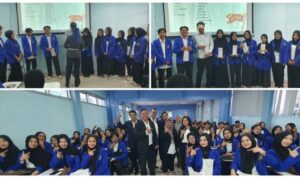
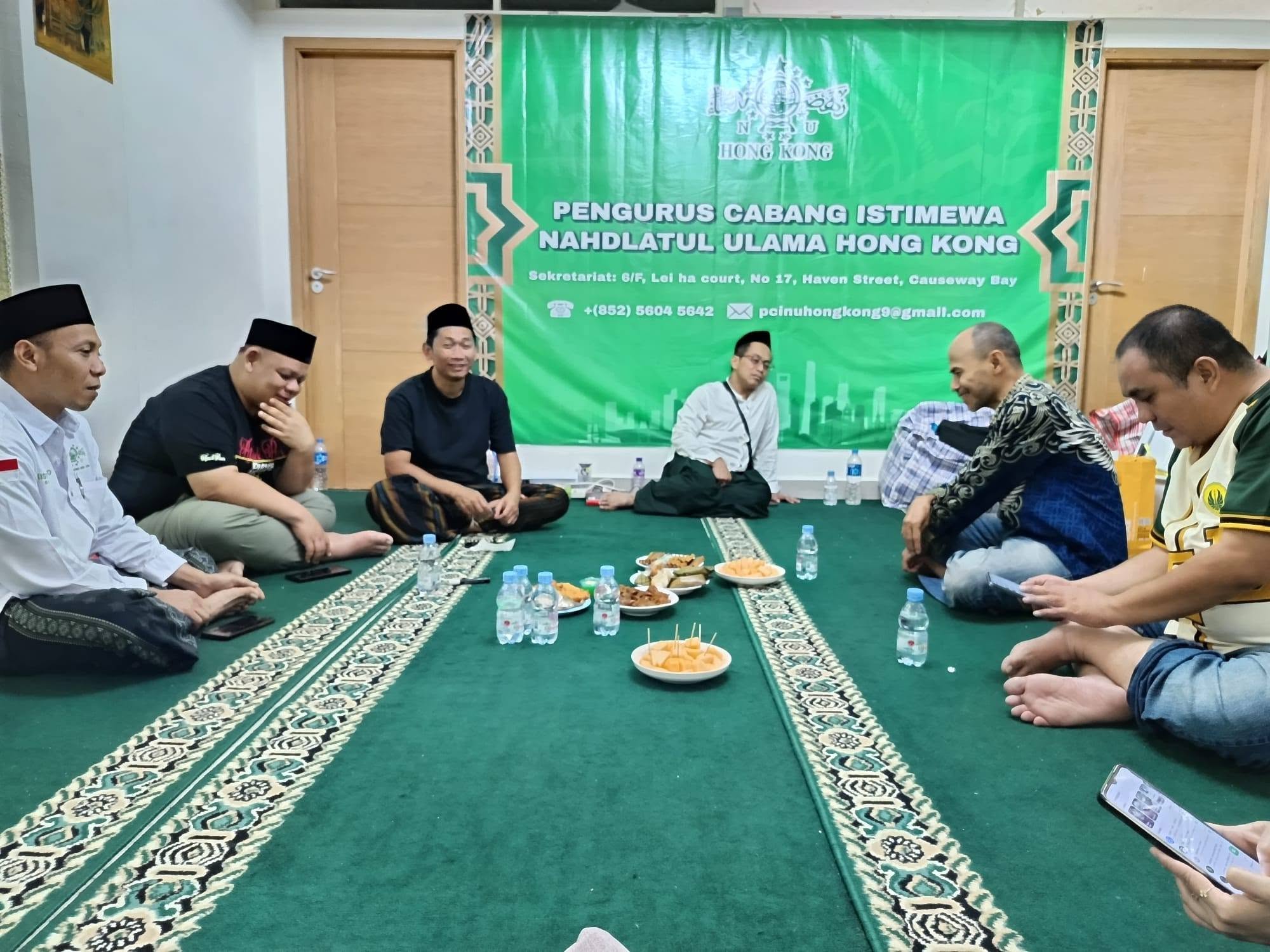 In the afternoon, the IFMA delegation continued its agenda with a courtesy visit to PCI Nahdlatul Ulama (NU) Hong Kong. The delegation was warmly received by Suparno, Chairman of the Tanfidziyah Board of PCI NU Hong Kong, together with Kistiawanto, Rais Syuriyah, and members of the executive board.
The meeting was conducted in a warm and constructive atmosphere, focusing on opportunities for expanding collaboration between Indonesian higher education institutions and Indonesian community organizations in Hong Kong. Discussions covered a wide range of potential initiatives, including community engagement, entrepreneurship development, financial literacy education, capacity building, and economic empowerment for Indonesian migrant workers.
Representatives of PCI NU Hong Kong explained that the organization has previously collaborated with several Indonesian universities in organizing entrepreneurship training, educational programs, community development activities, and various social initiatives. They welcomed IFMA and its seven partner universities as strategic partners for developing more comprehensive and sustainable community empowerment programs.
The IFMA delegation expressed deep admiration for the resilience, determination, and perseverance demonstrated by Indonesian migrant workers who have devoted many years of their productive lives to improving the welfare of their families back home. At the same time, discussions highlighted an important challenge faced by many returning migrant workers. Although many have accumulated substantial savings after years of working abroad, they often lack adequate preparation in entrepreneurship, investment management, and long-term financial planning once they return to Indonesia due to retirement, the completion of employment contracts, or health-related circumstances.
Recognizing these challenges, IFMA and its seven partner universities emphasized the importance of establishing a sustainable collaboration involving universities, Indonesian community organizations in Hong Kong, government institutions, and Indonesian national banks operating in Hong Kong. Such partnerships are expected to provide continuous mentoring in entrepreneurship, financial literacy, investment planning, retirement preparation, and business development, ensuring that Indonesian migrant workers are well equipped to build financially independent and productive lives after returning home.
This international community service initiative demonstrates that the mission of higher education extends beyond geographical boundaries. Through collaboration among professional associations, universities, and Indonesian diaspora organizations, academic institutions can make meaningful contributions to improving financial capability, entrepreneurial readiness, and economic resilience among Indonesian migrant communities worldwide.
Moving forward, IFMA and its partner universities remain committed to expanding international collaboration in education, research, and community engagement. By strengthening partnerships with Indonesian community organizations and strategic stakeholders overseas, IFMA aims to develop sustainable empowerment programs that not only improve financial literacy but also create long-term economic opportunities for Indonesian migrant workers and their families.
________________________________________
About IFMA
The Indonesian Financial Management Association (IFMA) is a professional academic association that brings together scholars, researchers, educators, and practitioners in the field of financial management from higher education institutions across Indonesia. IFMA is committed to advancing financial management knowledge through education, research, professional collaboration, and community engagement. In addition to organizing international conferences and academic forums, IFMA actively develops community empowerment programs focusing on financial literacy, entrepreneurship, and sustainable economic development, contributing to Indonesia’s long-term social and economic progress.